
 By
By 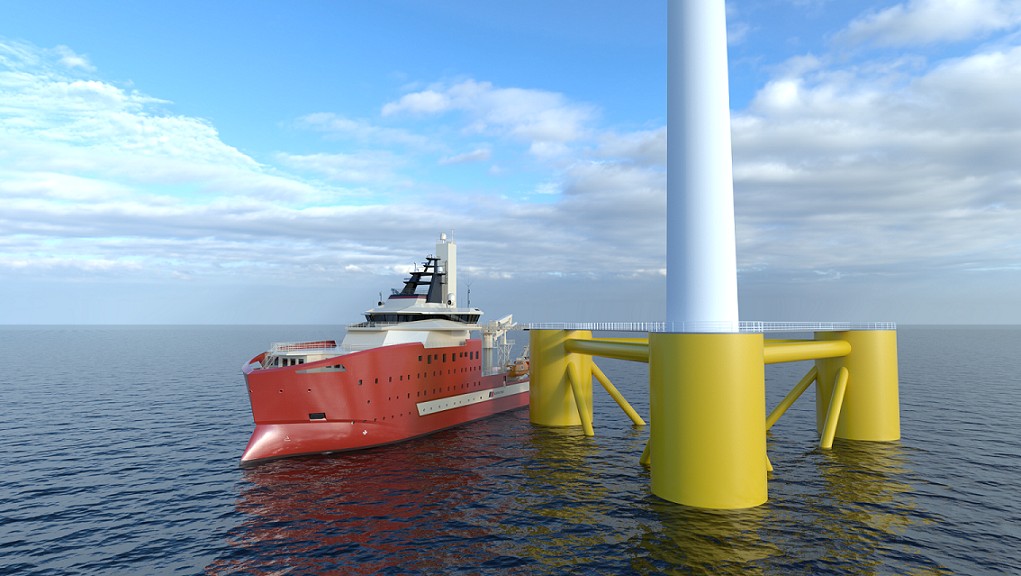
In the rapidly growing field of offshore wind energy, specialized ships known as SOV vessels play a crucial role in keeping wind farms operational far out at sea. Short for service operation vessel, an SOV vessel serves as a mobile base for technicians who maintain and repair massive turbines in challenging marine conditions. What sets these ships apart, and earns them the affectionate nickname of floating hotels, is their focus on crew comfort and well-being during long deployments. Away from shore for weeks at a time, workers need more than just a place to sleep—they require a supportive environment that feels like home. An SOV vessel delivers exactly that, with thoughtful designs that prioritize rest, recreation, and daily conveniences. This blend of functionality and hospitality makes life at sea sustainable and productive, allowing teams to focus on their vital work of harnessing renewable energy. In this engaging look, we uncover why SOV vessels are often called floating hotels, exploring the features that transform them into welcoming havens for offshore wind crews.
The Unique Demands of Offshore Wind Work
Offshore wind farm technicians face a demanding lifestyle, spending extended periods away from land to service turbines scattered across vast ocean areas. Traditional approaches relied on daily commutes via smaller boats or helicopters, which could be exhausting and weather-dependent, limiting productive time. The introduction of the SOV vessel changed this by providing an on-site base, eliminating the need for constant travel back to shore.
This shift means crews live aboard the SOV vessel throughout their rotation, often in two-week or longer cycles. The vessel must support not only work but also rest and recovery in an isolated setting. Harsh weather, physical tasks like climbing turbines, and shift work require a space that promotes health and morale. Here, the floating hotel concept emerges—the SOV vessel is engineered to offer hotel-like comforts, ensuring technicians return refreshed for each shift. This thoughtful approach acknowledges that happy, well-rested crews perform better, contributing to safer and more efficient wind farm operations.
Comfortable Accommodations on an SOV Vessel
At the heart of why an SOV vessel feels like a floating hotel are its accommodations. Cabins are designed with privacy and comfort in mind, typically featuring single or twin occupancy to give each person personal space. These rooms include proper beds with quality bedding, individual climate controls, and storage for clothes and belongings.
En-suite bathrooms with showers provide the convenience of home, essential after a day of salty air and hard work. Many cabins have desks for paperwork or relaxation, along with entertainment options like televisions or reading lights. Sound insulation reduces engine noise, helping with uninterrupted sleep during off-shifts. Clean linens, daily housekeeping, and laundry services add to the hotel vibe, keeping everything fresh despite the marine environment.
Compared to older support ships with basic bunks, modern SOV vessel cabins prioritize recovery, recognizing that good rest is key to handling the physical and mental demands of offshore tasks. This level of care makes the SOV vessel a true refuge, where crews can recharge fully before heading out to the turbines.
Dining and Nutrition: Hotel-Quality Meals at Sea
No hotel would be complete without excellent dining, and an SOV vessel excels here too. The galley and mess rooms function like a full-service restaurant, serving balanced meals around the clock to match shift schedules. Professional cooks prepare fresh food, drawing from stocked provisions that include a variety of proteins, vegetables, grains, and fruits.
Breakfast might feature warm options to start the day strong, while lunches and dinners offer choices to suit different preferences, including healthy and hearty dishes. Snacks and beverages are available anytime, supporting energy levels during long hours. Special attention to nutrition helps combat the physical strain of the job, with meals designed to sustain focus and strength.
Dining areas are spacious and inviting, with tables that encourage social interaction. Eating together builds team spirit, as conversations flow over shared plates. The consistency and quality of food on an SOV vessel rival land-based accommodations, turning mealtimes into highlights that boost morale and make extended stays feel manageable.
Recreation and Wellness Facilities
To truly earn the floating hotel title, an SOV vessel includes dedicated spaces for relaxation and fitness. Gyms equipped with cardio machines, weights, and exercise areas allow crews to stay active, countering the sedentary risks of ship life. Some vessels offer saunas or quiet zones for unwinding after shifts.
Lounges provide comfortable seating for watching films, playing games, or simply chatting. Internet connectivity enables video calls home, bridging the distance for personal connections. Outdoor decks offer fresh air and views of the sea, perfect for contemplation or spotting wildlife.
These amenities address the mental side of offshore work, reducing feelings of isolation. By promoting wellness, the SOV vessel supports long-term health, helping crews maintain balance during demanding rotations. This holistic approach mirrors high-end hotels that prioritize guest experience, adapted perfectly to the sea.
Safety and Support Features That Enhance Comfort
Comfort on an SOV vessel goes hand in hand with safety, creating a secure environment that feels reassuring. Advanced stabilization reduces motion sickness, while quiet propulsion minimizes disturbances. Medical rooms with qualified staff handle health needs promptly, offering peace of mind far from hospitals.
Daily routines include cleaning and maintenance to keep spaces hygienic and pleasant. The overall layout flows logically, with easy access between living, working, and recreational areas. Emergency preparedness is thorough yet unobtrusive, ensuring crews feel protected without constant reminders.
This integration of safety and comfort reinforces the hotel analogy—the SOV vessel is a place where people can relax knowing everything is taken care of, allowing full focus on rest between work periods.
The Impact on Crew Morale and Productivity
The floating hotel aspects of an SOV vessel have a profound effect on those aboard. Comfortable surroundings lift spirits, reducing stress and homesickness common in remote work. Well-fed, rested teams collaborate better, leading to smoother operations and fewer errors.
High morale translates to retention, attracting skilled technicians to the industry. When crews enjoy their time offshore, they bring enthusiasm to tasks, enhancing overall wind farm performance. The SOV vessel’s design acknowledges human needs, proving that investing in comfort yields tangible benefits for renewable energy goals.
FAQs
Why are SOV vessels compared to floating hotels?
SOV vessels provide hotel-like comforts such as private cabins, quality meals, and recreation areas to support crews during extended offshore stays.
What kind of cabins are on an SOV vessel?
Cabins on an SOV vessel often feature private or shared setups with beds, en-suite facilities, and personal amenities for rest.
How do meals work on an SOV vessel?
Professional galleys serve varied, nutritious meals around the clock, accommodating shift workers on an SOV vessel.
Are there gyms on an SOV vessel?
Yes, many SOV vessels include fitness areas to help crews stay active and healthy at sea.
How does an SOV vessel handle crew wellness?
Through recreation spaces, internet access, and medical support, an SOV vessel promotes physical and mental well-being.
What makes living on an SOV vessel comfortable?
Thoughtful design elements like quiet spaces, good food, and clean facilities create a welcoming environment on an SOV vessel.
Final Words
The nickname of floating hotels captures the essence of what makes SOV vessels special—places where offshore wind crews find not just shelter, but genuine respite in a challenging world. By prioritizing human comfort alongside operational needs, these vessels embody the thoughtful progress driving renewable energy forward. As we rely more on ocean winds for a sustainable tomorrow, the SOV vessel reminds us that caring for people is key to harnessing nature’s gifts effectively and enduringly.










Comments