
 By
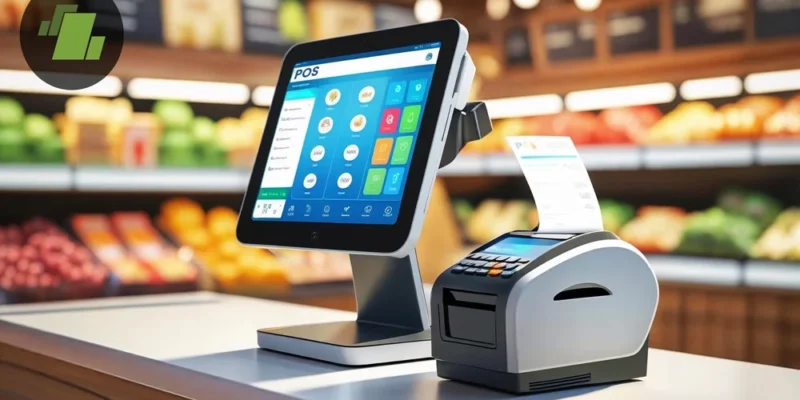
Order mistakes often begin when two channels keep separate records. A shopper buys online as a cashier sells that item. Stock counts drift, and customers notice first. Linking both channels through a pos system for small business malaysia places every sale in one shared database. With one source of truth, fulfilment, refunds, loyalty and stock planning all improve together.
One Inventory Pool Ends Overselling Problems
After a counter sale, the online listing updates in seconds. That instant sync stops the classic oversell. Picture a bakery holding six cakes. Two web orders and four walk-ins clear the shelf. The website then flips to sold out on its own. Nobody needs to call a buyer with an apology.
Why Does One Order Queue Matter?
Kitchens and packing stations see every ticket in sequence.
- Staff prepare web and walk-in orders together.
- Pickup times stay realistic during lunch rushes.
- Riders receive printed labels without manual entry.
- Managers spot bottlenecks before complaints start arriving.
Without that queue, phone and app orders compete blindly.
Shared Customer Profiles Build Repeat Business
Loyalty points earned online should count at the till too. A unified pos system for small business malaysia stores purchase history under one profile. Cashiers can then suggest a favorite blend or apply birthday discounts. Separate platforms split that history into two half-pictures. Neither half reveals what a regular buyer truly wants.
What Happens To Refunds And Exchanges?
Returns become simple once channels share records. An online buyer can bring goods back to the shop. The cashier scans a receipt, restoring stock everywhere. Refunds post to one ledger as well. Month-end reconciliation then takes minutes, not whole afternoons.
Which Reports Help Owners Plan Stock?
Combined data exposes trends a single channel hides.
- Best-sellers differ between both channels.
- Online demand spikes after payday.
- Slow items tie up cash.
- Bundles reveal which products pair.
- Staffing needs follow hourly patterns.
Owners reorder using evidence, not guesswork, each week.
The Sold-Out Cake Tells The Story
Remember that bakery website switching to sold out. A small label like that protects more than inventory. It keeps a promise the shop never consciously made. Shoppers rarely praise accurate stock, yet one cancelled order ends loyalty. Seen this way, integration works as a reputation tool first. The software simply keeps the shop’s word everywhere.
FAQs
Can an integrated POS connect with an existing online store?
Popular storefront platforms link through ready-made plugins or APIs. Setup for common shops takes hours rather than weeks.
Does integration require constant internet access?
Several systems keep selling offline and sync once the connection returns. Card payments may still need a live link, though.
Is staff training difficult after switching?
Touchscreen layouts feel familiar to anyone using a smartphone. A short session covers sales, returns and order lookup.
How does integration handle delivery app orders?
Orders from linked delivery apps drop straight into the main queue. Staff avoid retyping tickets, which reduces costly errors.
Can one system manage several branch locations?
Multi-outlet plans sync stock and sales across every branch in real time. Owners can move inventory between shops before shortages hit.







Comments